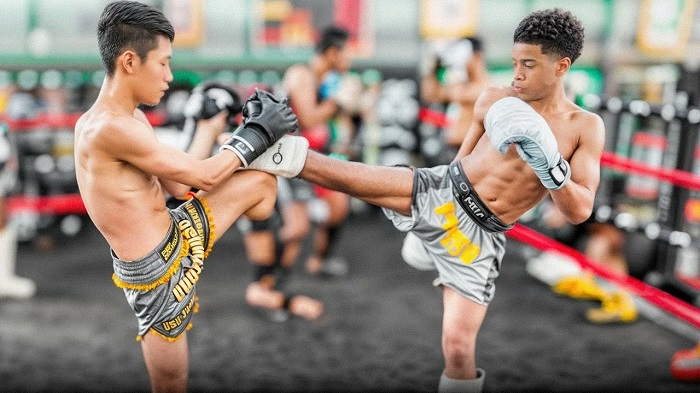
Muay Thai is rapidly gaining popularity among fans of an active lifestyle.
Accepting your first Muay Thai fight is exciting and a little terrifying. Nothing in the gym fully replicates the lights, the crowd, the ritual and the fact that the person across the ring is trying just as hard as you to win. The good news is that preparation removes most of the fear. Fighters who arrive fit, rested, well coached and mentally ready tend to perform close to how they train.


If you’re nervous or worried about stepping into the ring for the first time, that’s normal; every fighter goes through this process, and once you repeat it a few times, it gets easier. But to get you off to the best start, the following checklist is a must.
Make Sure You Are Actually Ready
Before anything else, talk honestly with your trainer. A good coach will only put you in the ring when your fundamentals are solid, and you have enough sparring experience to handle pressure. Fighting before you are ready is the fastest way to a bad experience or an injury. Ask about the opponent’s record and experience, and make sure the matchup is fair for a debut.
Build Your Training Camp
Most first fights are prepared over six to eight weeks. A solid camp includes:
- Technical pad work. Drill your core combinations until they happen without thinking: jab-cross, teeps, round kicks, knees and checks.
- Clinch practice. Even if you plan to fight mostly at range, you must be able to survive and score in the clinch.
- Controlled sparring. Spar regularly with different partners, building from technical rounds to harder, fight-pace work. Avoid constant hard sparring, which leaves you tired and injured.
- Conditioning. Cardio often decides fights more than skill. Skipping, running intervals, bag rounds, and circuit work build the engine to stay sharp through every round.
- Strength and mobility. Two short strength sessions a week protect your joints and add power, while stretching keeps hips and hamstrings loose for kicking.
Plan your camp with a peak and a taper. Do your hardest training two to three weeks before the fight, and reduce volume in the final week so you arrive fresh.
Simulate Fight Conditions
One of the best things a first-time fighter can do is practise the real thing. Do full-length rounds at the exact duration you will fight, with the same rest periods, and run pad rounds with a coach calling out the round clock. If possible, do a gym fight or an interclub bout to experience nerves and adrenaline before the real event. Learning how your body reacts when the pressure is on takes away much of the unknown.
Manage Weight and Nutrition
Fight weight is a common stress for beginners. Aim to be close to your weight class well before fight week so you are not relying on drastic cuts. Eat balanced meals with enough protein, carbohydrates for energy and plenty of water. Crash diets and severe dehydration harm your performance and can be dangerous, so talk to your coach about a safe plan, and see a medical professional if you need to make a large cut.
Sort Your Gear and Admin
Check what the promoter requires well in advance. Typically, this includes shorts, a mouthguard, a groin guard, hand wraps, and often pre-fight medicals or paperwork. Buy and test everything during camp so nothing is new or uncomfortable on fight day. Pack your bag the night before.
Train Your Mind
Nerves are normal, and even experienced fighters feel them. Use visualisation to rehearse your walk to the ring, your first exchanges and how you will respond when hit. Develop a simple routine to stay calm, such as slow breathing, a short warm-up playlist, or a few trusted words. Trust your preparation: you have done the rounds, so let the work show.
Fight Day Checklist
- Sleep as well as you can the night before, but don’t worry if nerves interrupt it. Rest from the previous days counts.
- Eat a familiar meal a few hours before, and sip water regularly.
- Arrive early, so you aren’t rushed, and stay close to your corner team.
- Warm up with light shadowboxing and pad work just before you go on.
- In the ring, breathe, stay relaxed and fight your game plan, not the crowd.
Win or lose, your first fight teaches you more than months of training. Review it honestly with your coach, celebrate stepping into the ring, and use what you learned to prepare for the next one.